
How to Read the Jekyll Island Tide Chart (Beginner-Friendly Guide)
Planning a trip to Jekyll Island? One of the simplest ways to make your beach days smoother, safer, and more fun is learning how to read a tide chart. It might look a little confusing at first, but once you understand the basics, you’ll be able to time your activities perfectly—whether you’re hunting for shells, swimming with the kids, or just enjoying a peaceful walk along the shore.
This guide breaks it all down in a way that’s easy to follow, even if you’ve never looked at a tide chart before.
What Is a Tide Chart and Why It Matters on Jekyll Island
A tide chart shows the daily rise and fall of ocean water levels—specifically when high tide and low tide occur throughout the day.
On Jekyll Island, tides can dramatically change how the beach looks and feels. At low tide, the shoreline stretches far out, revealing sandbars, tide pools, and shells. At high tide, the water comes much closer, which is better for swimming and certain water activities.
For visitors, this matters because:
- It helps you avoid showing up when the beach is too crowded or underwater
- You can plan kid-friendly exploration during low tide
- You’ll know the safest and best times for swimming or wading
Simply put, checking the tide chart can turn a “good” beach day into a perfectly timed one.
Understanding the Key Parts of a Tide Chart
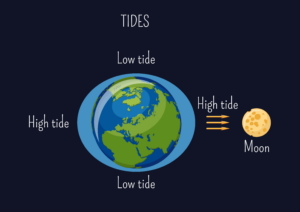
Understanding high tide and low tide
Before you can use a tide chart, it helps to know what you’re looking at. Most charts include a few basic elements:
- High Tide: When the water reaches its highest point
- Low Tide: When the water is at its lowest level
- Tide Height: The depth of the water, usually measured in feet
- Time of Tides: Exact times when high and low tides occur
- Flood vs. Ebb Tide: Whether the water is rising (flood) or falling (ebb)
Don’t worry about memorizing everything at once. For most visitors, the most important pieces are the times of high and low tide and whether the water is coming in or going out.
Step-by-Step: How to Read a Jekyll Island Tide Chart
Here’s a simple way to read a tide chart and actually use it to plan your day:
- Find the date you’ll be visiting
- Look at the listed tide times (you’ll usually see two high tides and two low tides per day)
- Note the height differences—bigger gaps between high and low tides often mean more dramatic beach changes
- Check the timing window—low tide isn’t just one moment; you’ll usually have 1–2 hours of ideal conditions around it
For example, if low tide is at 2:00 PM, arriving around 1:00–3:00 PM gives you the best chance to explore wide beaches and find shells.
Once you’ve done this once or twice, it becomes second nature.
Best Times to Visit the Beach Based on Tide Conditions
Different tide conditions are better for different activities, especially if you’re traveling with family or planning a relaxed getaway.
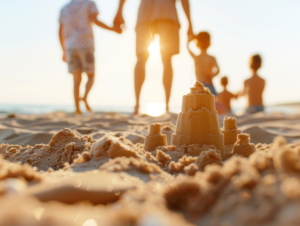
Low Tide Activities–Sandcastle Building & Seashell Hunting
Low Tide (Best for Exploring)
Low tide is when the ocean is at its lowest point, revealing wide stretches of beach on Jekyll Island. This is the perfect time for shelling, building sandcastles, and letting kids roam and explore safely. You’ll also get to see more of the island’s natural features—like sandbars and small tide pools—that are hidden during higher water levels. For families, this is often the most fun and interactive time to be on the beach.
High Tide (Best for Swimming)
At high tide, the water comes much closer to shore and is noticeably deeper. This makes it a better time for swimming, floating, and enjoying the ocean without having to walk far out. If your goal is to relax in the water or keep things simple, high tide offers a more traditional beach experience with easy access to deeper water.
Flood Tide (Water Rising)
A flood tide (incoming tide) is when the water is steadily rising toward high tide. This is a great time to settle in for a beach day, as the shoreline slowly changes and the water gradually moves closer. It’s ideal if you want to start with some light exploring and then transition into swimming as conditions become more favorable.
Ebb Tide (Water Falling)
As the tide goes out, the ocean gradually pulls back, revealing more of the shoreline on Jekyll Island. Areas that were underwater just hours before become open for exploring, making this one of the best times to experience the beach with a relaxing stroll along the sand.
For the best experience, try to arrive as the tide starts falling, not just at low tide. This gives you more time to explore as the beach slowly opens up—and helps you avoid the biggest crowds.
Common Mistakes to Avoid + Local Tips
Even a quick glance at a tide chart helps—but there are a few common mistakes that can trip up first-time visitors:
- Mixing up AM and PM times: This happens more often than you’d think—double-check before heading out.
- Ignoring tide height: Two low tides aren’t always equal—some are much lower and better for exploring.
- Arriving too late for low tide: If you show up right at low tide, you might miss the best window. Aim to arrive a bit earlier.
- Forgetting weather impacts: Wind and storms can slightly affect tide conditions, so keep an eye on the forecast.
Local tip: Some of the best shelling on Jekyll Island happens during especially low tides, so if you see one on the chart, it’s worth planning your day around it.
Plan Your Jekyll Island Trip
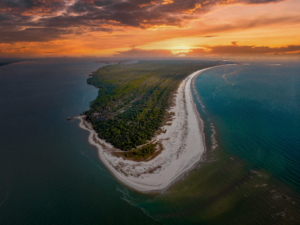
Reading a tide chart might seem like a small detail, but it can completely change your experience on Jekyll Island. With just a little planning, you can avoid guesswork and make the most of every beach moment—whether you’re traveling with kids, exploring as a couple, or just soaking in the coastal views.
If you’re planning your trip, check the tide chart ahead of time and build your beach days around it—you’ll be glad you did.
Book With Jekyll Realty
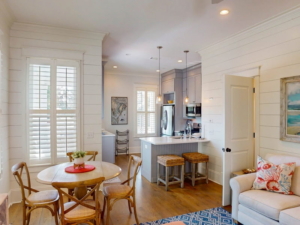
Ready to put your tide chart knowledge to use on Jekyll Island? Booking your stay with Jekyll Realty makes it easy to enjoy every perfectly timed beach moment. With a range of vacation rentals close to the shore, you can plan your days around the tides—whether that means early morning shell hunts, afternoon swims, or sunset strolls along the water. Having a comfortable home base nearby means less stress, more flexibility, and more time to experience everything Jekyll Island has to offer.
Browse our Jekyll Island vacation rentals today and find your perfect home away from home!